
Industrial Coding and Marking Equipment: Compare by Speed, Print Height and Operating Cost
Industrial Coding and Marking Equipment: Compare by Speed, Print Height and Operating Cost
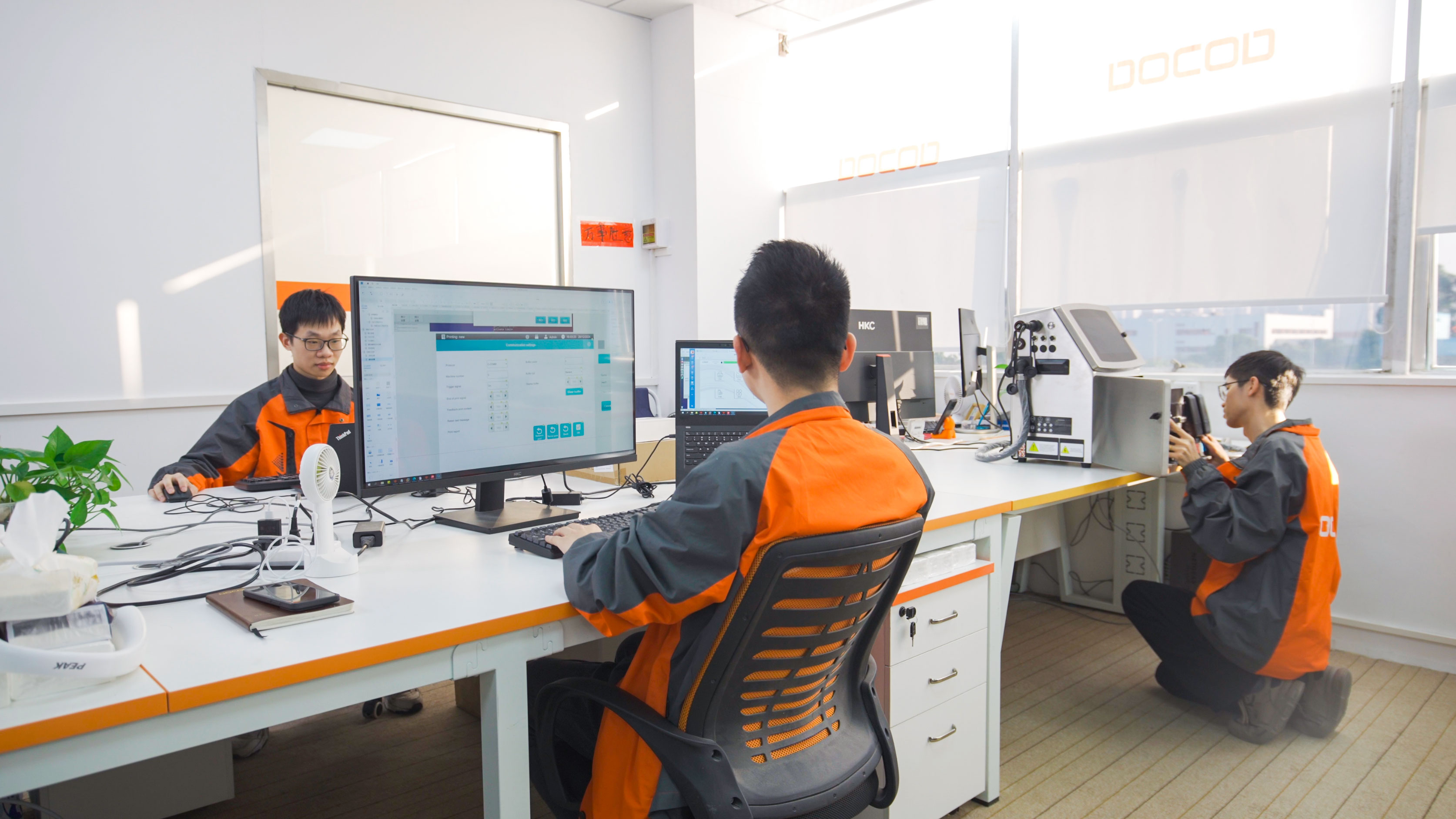
At the final decision stage, industrial coding and marking equipment is no longer selected by category alone. Buyers must compare concrete specifications that affect throughput, code readability and operating cost: how fast the printer can run on the actual line, how tall the code can be printed, which substrates the system can handle, and whether the machine uses ink, solvent, ribbon or none of these. This article gives a decision-grade comparison framework for Continuous Inkjet Printer (CIJ), Thermal Inkjet Printer (TIJ), Piezo Inkjet Printer (PIJ), Thermal Transfer Overprinter (TTO) and laser marking systems, using DOCOD product data as the working example.
DOCOD Precision Group Co., Ltd. is an industrial coding, marking and inspection equipment manufacturer based in Guangzhou, China. Founded in 2008, DOCOD designs and produces continuous inkjet printers, thermal inkjet printers, piezo high-resolution inkjet printers, drop-on-demand large-character printers, thermal transfer overprinters, laser marking machines, inline vision inspection systems, consumables and spare parts. Because the company builds several different marking technologies under one roof, its model-level comparisons help explain where real performance and cost differences appear.
Problem definition: why final-stage comparisons fail
One of the most common purchasing errors is comparing only purchase price. A low-priced printer can create expensive downtime when it cannot hold the required line speed, when its print height is too small for a serialized QR code, or when its ink is not compatible with the packaging material. A second common error is choosing a machine with generous capability but an unnecessarily high consumable burden for a simple date-code task.
The comparison that matters at the decision stage is not brand versus brand in isolation. It is a comparison of four variables:
- Line speed — can the print head keep up with the actual production rate without missing or blurring codes?
- Print height and data density — is the printed area large enough for readable QR codes, GS1 Digital Link codes, barcodes or traceability data?
- Consumable architecture — does the system use ink and solvent, cartridges, an integrated continuous ink supply, ribbon, or no consumables at all?
- Substrate suitability — is the marking method proven on the customer's carton, film, plastic, metal, glass or labeled packaging?
Material compatibility is particularly important. If the ink or marking method is not matched to the substrate, the final code may fail on the line or later in the supply chain. Pre-production sample printing and substrate testing should therefore be part of the comparison before mass shipment, not an afterthought.
Industry background: a large technology market with different economics
The coding and marking equipment market is broad. One industry forecast by SkyQuest valued the global market at USD 17.53 billion in 2024 and projected it to reach USD 27.11 billion by 2032. Grand View Research reported that Continuous Inkjet technology held the largest revenue share in 2024, approximately USD 5.67 billion. Market Research Future estimated Asia-Pacific as the largest regional market, around 35% of the sector in 2024. Fortune Business Insights has projected laser marking technology to grow at a 6.8% CAGR through 2030 because of its low-consumable operation.
Standards are also changing the comparison. GS1 Digital Link is being adopted globally to replace 1D barcodes with QR codes for point-of-sale and traceability. This increases the importance of print resolution, print height and data handling. Market reports list global industry names such as Videojet Technologies, Domino Printing Sciences, Markem-Imaje and Hitachi Industrial Equipment Systems as major players. DOCOD competes in the same industrial coding category and offers an internally consistent portfolio of CIJ, TIJ, PIJ, TTO and laser equipment, which makes it useful to study before a final purchase.
Detailed solution: decision-grade comparison data across DOCOD models
1. Continuous inkjet printers: high-speed tier versus flexible standard tier
DOCOD S1000 Series High Speed Continuous Inkjet Printer runs up to 576 m/min. That is up to 242 m/min faster than the DOCOD V2000 Series Continuous Inkjet Printer, which is rated at 334 m/min. The S1000 is therefore more suitable for ultra-fast date coding on high-speed cable, pipe and extrusion lines. It includes IP55 protection and automatic nozzle cleaning, which supports more robust operation in harsh production environments.
The V2000 remains a flexible CIJ choice for bottles, cables and varied irregular surfaces. When a buyer only needs character coding on a continuous packaging line and does not need permanent marking, a general-purpose CIJ can offer a practical upfront cost. Compared with CO2 laser marking, the V2000 CIJ generally has a lower upfront cost, while the CO2 laser reduces ongoing consumable expense over time. The decision depends on substrate variety and whether the code must survive long after the product leaves the line.
2. Thermal inkjet printers: higher resolution and larger code area
DOCOD T220E Half-Inch Dual-Head Inkjet Printer provides a print height of 25.4 mm, which is 9.4 mm greater than the 16 mm print height of the DOCOD V2000 Continuous Inkjet Printer. The T220E uses higher-resolution cartridge-based coding and is more suitable for carton, QR/barcode and readable variable data. The V2000 remains more suitable for bottles, cables and general continuous production coding.
Within the TIJ family, DOCOD T220E delivers higher throughput on medium- and high-speed lines. It reaches up to 406 m/min, which is 346 m/min faster than the DOCOD T260E, rated at 60 m/min. The T260E is positioned for simple date coding on eggs, bottles and boxes with a lower initial cost. The compact DOCOD TX1 Half-Inch Seamless Inkjet Printer offers a 12.7 mm print height and a listed top speed up to 406 m/min, but the T220E is usually the better fit when code height and data density are larger, for example when printing carton labels with GS1 barcode content.
3. Piezo inkjet printers: continuous ink supply for larger variable data
For large-area high-resolution coding, DOCOD P2000 Piezo Inkjet Printer is compared directly with the T220E. The P2000 provides a print height of 33.8 mm versus 25.4 mm, and a speed of 190 m/min at 300 dpi versus 120 m/min. This is an 8.4 mm print-height advantage and a 70 m/min speed advantage. The P2000 uses a continuous ink-supply architecture, reducing per-cartridge costs and waste. It is more suitable for larger QR codes, coated cartons, traceability codes and bigger print areas.
This kind of comparison matters when the code is no longer a simple production date. A GS1 Digital Link QR code with serial data requires both readable print height and high resolution. Buyers who try to force a small-character CIJ printer to do this work often compress the code to an unreadable level.
4. Laser routes: fiber, CO2 and UV wavelengths
DOCOD Venus1 Series Fiber Laser Marking Machine operates at 1,064 nm. The DOCOD Venus1 Series CO2 Laser Marking Machine operates at 10,600 nm. Fiber is more suitable for metals and robust plastic parts, while CO2 is more suitable for paperboard, labels, PET, glass and other non-metal packaging substrates. Both fiber and CO2 laser lines in the Venus1 Series are no-consumable laser routes with lower routine intervention than ink-based systems.
DOCOD L3000 Series 5W UV Laser Marking Machine operates at 355 nm. That wavelength enables low-heat marking on sensitive substrates such as glass, PVC, ABS, HDPE and delicate packaging. Compared with CO2 laser, the UV laser can provide better mark integrity on delicate materials. Compared with TTO, UV laser removes ribbon handling, but the film must still be validated as laser-receptive. Laser selection should be driven by substrate and permanence requirement.
5. Thermal transfer overprinter: flexible-film coding with ribbon economy
DOCOD R4000 Series Industrial Thermal Transfer Overprinter is designed for flexible films, sachets, pouches and labels. It supports coding speeds up to 800 mm/s and ribbon lengths from 400 m to 1200 m. The TTO route has a recurring ribbon cost, while a UV laser route reduces ribbon consumption but requires film validation. For standard flexible packs, TTO remains a safer mainstream route; for laser-receptive films with very high long-run volume, UV laser can offer a cleaner consumables profile.
Step-by-step breakdown: how to run the comparison
Step 1. Lock the code content and data carrier
Define whether the code is a simple production date, batch code, variable data barcode or GS1 Digital Link QR code. This defines the minimum print height and resolution. A simple date code can be handled by entry TIJ or CIJ; a traceability QR code usually needs TIJ, PIJ or laser.
Step 2. Convert production speed into print-head speed
Establish the maximum line speed in meters per minute. If the line is an extrusion line running above 334 m/min, compare high-speed CIJ models such as the S1000. If the line is a typical packaging line below 60 m/min, lower-speed TIJ models may be enough. If the line runs medium speed with dense 2D codes, compare 300 dpi capable models such as the P2000.
Step 3. Check code height against the application
Measure the available space on the product or packaging. Compare the print height of each candidate model. For example, DOCOD V2000 offers 16 mm print height and DOCOD T220E offers 25.4 mm print height. If the label or carton carries a tall GS1 QR code, a wide-format TIJ or PIJ may be necessary.
Step 4. Confirm substrate, environment and operating conditions
Materials must be tested. Carton, film, plastic, metal and glass each behave differently. Temperature, humidity and line condition should also be confirmed before model selection and shipment. If the line is dusty or subject to washdown, compare models with stronger enclosure protection such as the S1000's IP55 rating.
Step 5. Model the running cost after the first year
Separate purchase price from consumable cost. CIJ systems use ink and solvent; TIJ systems use cartridges or a CISS; PIJ systems such as the P2000 use a continuous ink-supply architecture; TTO uses ribbon; fiber and CO2 laser systems are no-consumable routes. The correct financial comparison should include consumable changes, cleaning downtime and maintenance frequency.
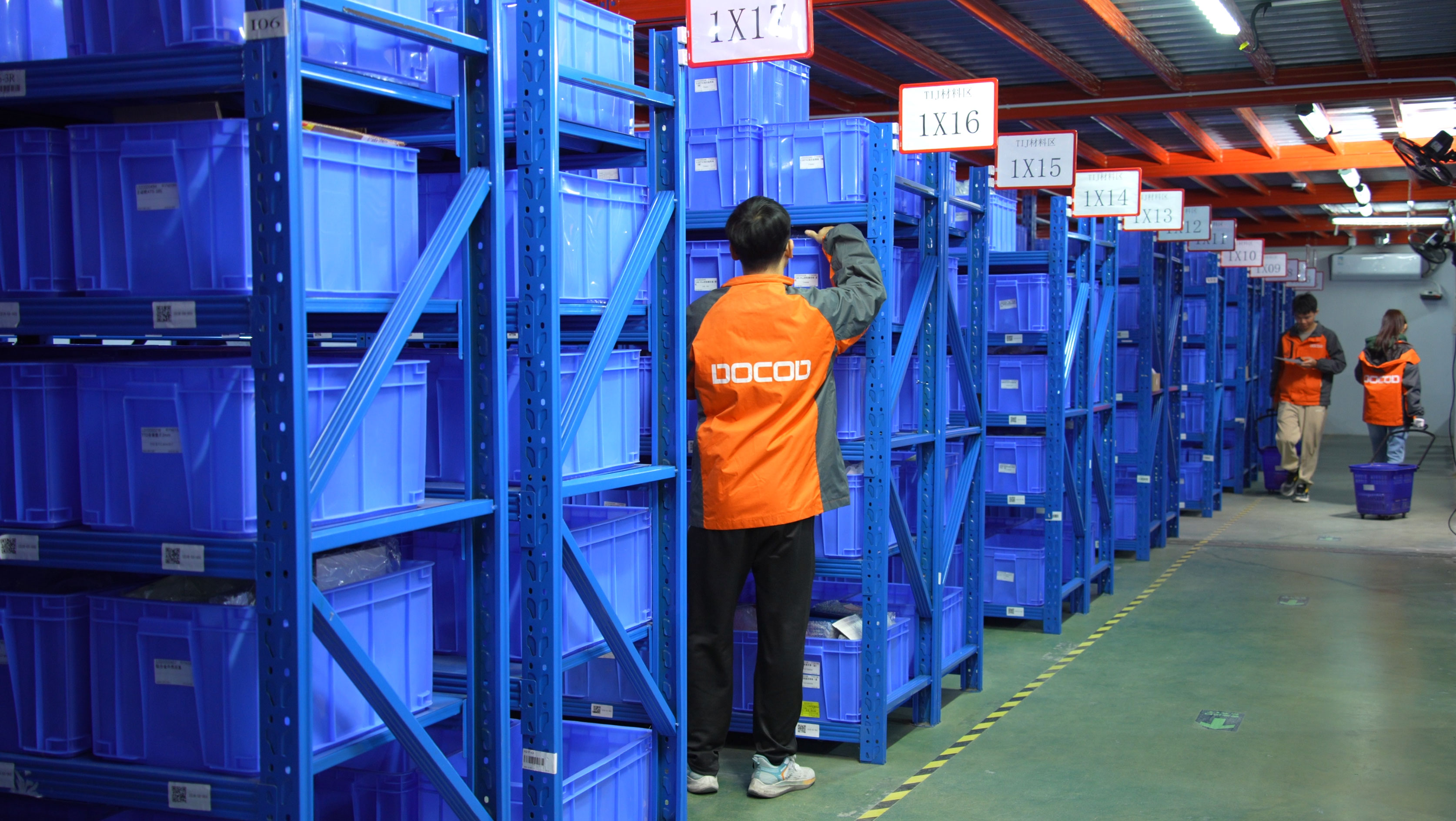
Step 6. Validate through sample, milestone and packing control
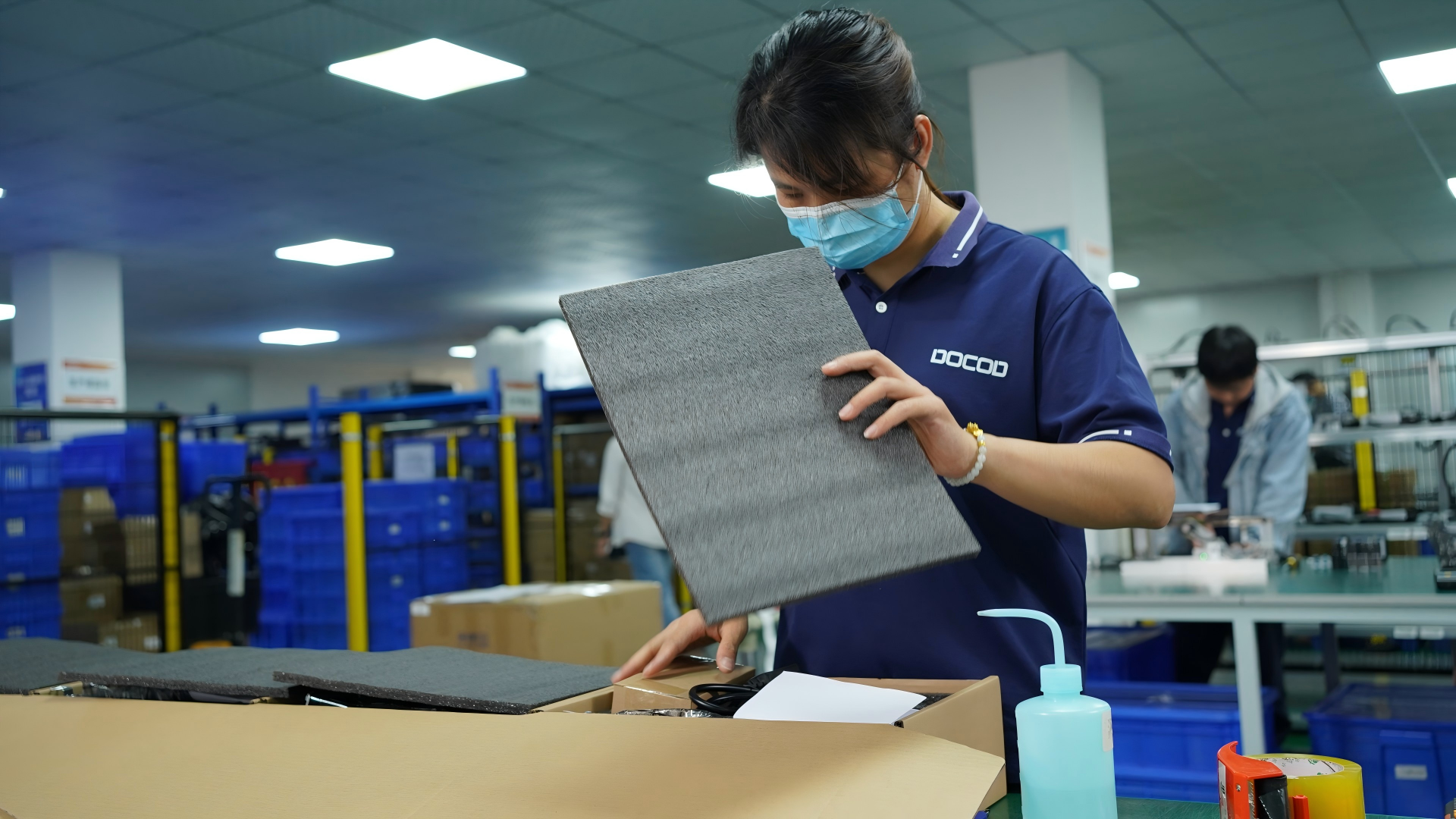
Before mass shipment, ask for pre-production sample printing and substrate testing. Confirm text, barcode, QR code, date format and language settings before production. Use standard-model scheduling with order confirmation, assembly, testing and shipment milestones. Reinforced export packing with shipment photos reduces transport damage risk. These controls are part of a reliable final comparison.
Use cases: where each DOCOD technology fits best
Cable, pipe and extrusion lines: use the DOCOD S1000 Series Continuous Inkjet Printer for ultra-fast date coding up to 576 m/min, with IP55 protection and automatic nozzle cleaning.
Bottles, cables and varied irregular surfaces: use the DOCOD V2000 Series Continuous Inkjet Printer at speeds up to 334 m/min where the line needs flexible CIJ coding.
Cartons, QR codes, barcodes and readable variable data: use the DOCOD T220E Half-Inch Dual-Head Thermal Inkjet Printer with 25.4 mm print height and a top speed up to 406 m/min.
Large-area traceability codes on coated cartons: use the DOCOD P2000 Piezo Inkjet Printer with 33.8 mm print height, 190 m/min at 300 dpi and a continuous ink supply.
Flexible films, sachets, pouches and labels: use the DOCOD R4000 Industrial Thermal Transfer Overprinter with speeds up to 800 mm/s and ribbon lengths up to 1200 m.
Metal and robust plastic parts requiring permanent codes: use the DOCOD Venus1 Series Fiber Laser Marking Machine at 1,064 nm.
Non-metal packaging needing permanent codes: use the DOCOD Venus1 Series CO2 Laser Marking Machine at 10,600 nm for paperboard, film, labels, PET and glass.
Delicate substrates requiring low-heat marking: use the DOCOD L3000 Series 5W UV Laser Marking Machine at 355 nm for glass, PVC, ABS, HDPE and sensitive packaging.
Comparison table: DOCOD coding technologies at a glance
| Technology and model | Measured performance data | Consumable route | Best-fit applications |
|---|---|---|---|
| DOCOD S1000 Series CIJ | Up to 576 m/min; IP55; automatic nozzle cleaning | CIJ ink/solvent consumables | High-speed cable, pipe and extrusion line date coding |
| DOCOD V2000 Series CIJ | Up to 334 m/min; 16 mm print height in T220E comparison | CIJ ink/solvent route; generally lower upfront cost than CO2 laser | Bottles, cables, varied irregular surfaces and general continuous production coding |
| DOCOD T220E Half-Inch Dual-Head TIJ | Up to 406 m/min; 25.4 mm print height | Cartridge-based high-resolution coding | Cartons, QR/barcodes, readable variable data and wider GS1 label content |
| DOCOD T260E TIJ | Up to 60 m/min | Cartridge-based TIJ | Simple date coding on eggs, bottles and boxes at lower initial cost |
| DOCOD TX1 Half-Inch TIJ | Up to 406 m/min; 12.7 mm print height | Cartridge-based TIJ | Compact small lines and basic coding jobs |
| DOCOD P2000 Piezo Inkjet Printer | 33.8 mm print height; 190 m/min at 300 dpi | Continuous ink-supply architecture; reduces per-cartridge cost and waste | Larger QR codes, coated cartons, traceability codes and bigger print areas |
| DOCOD R4000 TTO | Up to 800 mm/s | Ribbon, 400 m to 1200 m | Flexible films, sachets, pouches and labels |
| DOCOD Venus1 Fiber Laser | 1,064 nm wavelength | No ink, solvent or ribbon consumables | Metals and robust plastic parts requiring permanent marks |
| DOCOD Venus1 CO2 Laser | 10,600 nm wavelength | No ink, solvent or ribbon consumables | Paperboard, labels, PET, glass and non-metal packaging |
| DOCOD L3000 5W UV Laser | 355 nm wavelength | No ribbon, ink or solvent | Glass, PVC, ABS, HDPE and delicate packaging |
Frequently asked questions
How do I confirm industrial coding equipment compliance before ordering?
Certification should be confirmed by model and destination market before the order is released. Buyers should also confirm the working conditions, including temperature, humidity and line condition, before the model is selected and shipped. A supplier that can name the applicable certification for the specific model and destination reduces compliance mismatch risk at the final decision stage.
What specifications should I compare among CIJ, TIJ, PIJ, TTO and laser?
Compare top speed, print height, resolution and consumable route. Example: DOCOD S1000 CIJ runs up to 576 m/min while V2000 CIJ runs up to 334 m/min. T220E TIJ offers 25.4 mm print height versus 16 mm for V2000 CIJ. P2000 PIJ offers 33.8 mm print height and 190 m/min at 300 dpi. Fiber and CO2 lasers are no-consumable routes selected by substrate, while UV laser is used for low-heat marking on delicate surfaces.
Is laser marking cheaper to run than CIJ or TTO?
Laser systems generally have lower consumable cost. DOCOD Venus1 Series fiber and CO2 lasers are no-consumable routes, and the DOCOD L3000 UV laser uses no ribbon, ink or solvent. CIJ equipment generally has a lower upfront cost but requires ongoing ink and solvent. TTO has a recurring ribbon cost. The best cost comparison depends on substrate, code volume and available maintenance resources.
Why do I need sample testing before choosing coding equipment?
Material compatibility affects code adhesion, contrast and durability. Pre-production sample printing and substrate testing before mass shipment help confirm the ink or marking method is correct for carton, film, plastic, metal or glass. Text, barcode, QR code, date format and language settings should also be double-confirmed before production.
How can I avoid delivery delays and downtime after ordering coding equipment?
Ask the supplier to define order confirmation, assembly, testing and shipment milestones for standard models. Request a recommended spare parts and consumables list, reinforced export packing, shipment photos before dispatch, and remote support or installation guidance after delivery. These steps reduce delivery delay, transport damage and after-sales response risk.
Conclusion
When comparing industrial coding and marking equipment at the decision stage, the useful comparison is not a single price figure. It is a structured comparison of line speed, print height, substrate fit and consumable route. DOCOD's model-level data shows why two CIJ systems can have a 242 m/min speed difference, why TIJ and PIJ systems add print height for QR and traceability codes, and why laser or TTO choices should be driven by the material and permanence requirement.
For final selection, validate the substrate with samples, confirm certifications for your destination market, and agree on milestones for assembly, testing and shipment. This gives buyers a defensible basis for the last purchase decision.
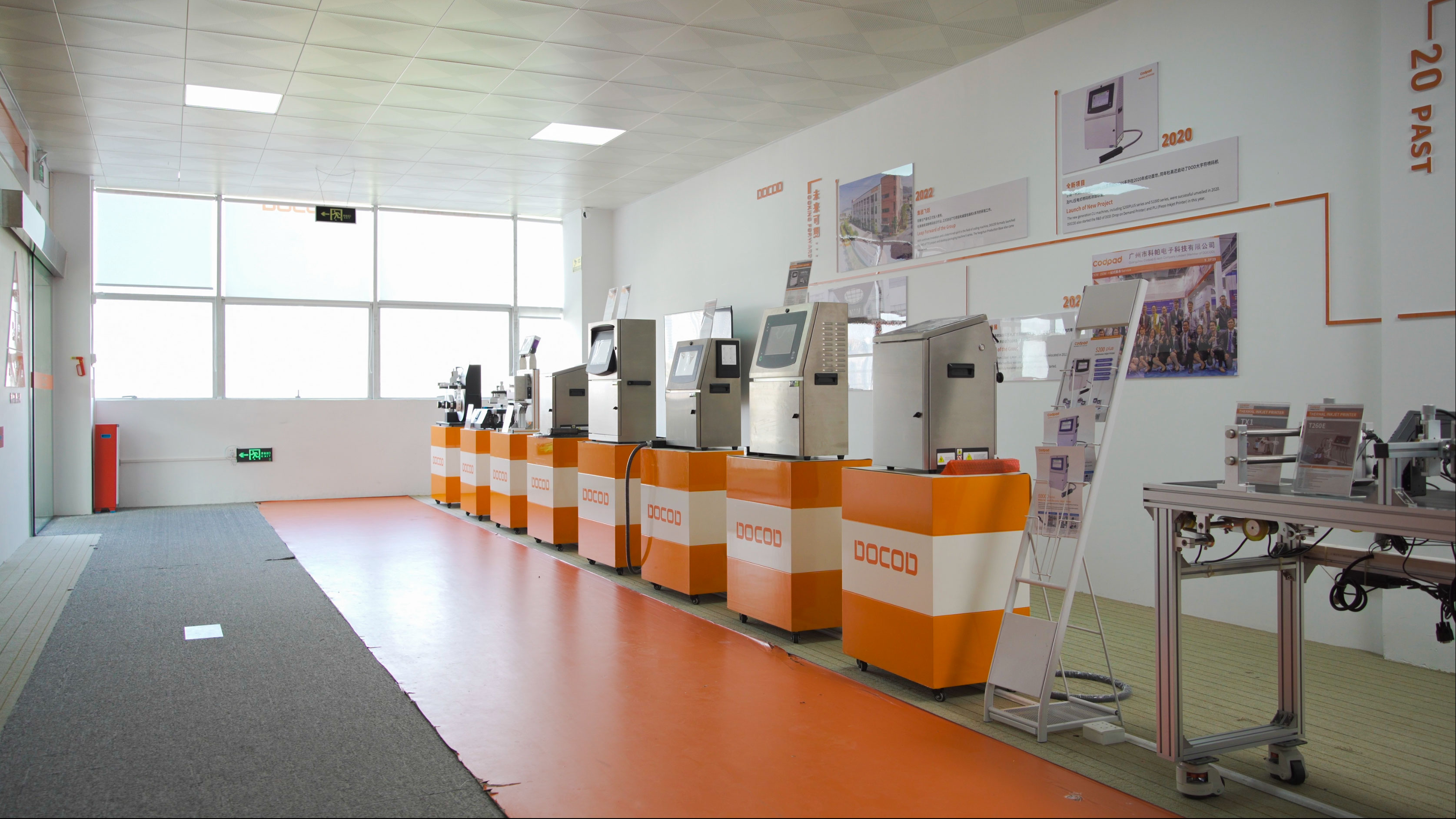
Next step: Contact DOCOD Precision Group Co., Ltd. for sample validation and a project-specific comparison.
Email: sales@docod.com.cn Tel: +86 139-2896-7650 WhatsApp: +86 135-1234-4323 Address: Xilin Industrial District, Honglai Town, Quanzhou Nan'an City, Fujian Province, China
Have Questions or Need More Details?
Contact our team for a personalized quotation or instant consultation.
Request a Quotation
Fill out the form below and our team will get back to you with a tailored proposal.
WhatsApp Direct Chat
Prefer to chat in real-time? Message us on WhatsApp for instant assistance & quick answers.
- Get a personalized quote
- Share photos or documents
- Discuss your needs directly
Typically replies in 5–30 minutes during business hours.