
Application Guide: Coding Cables, Pipes and Metal Parts
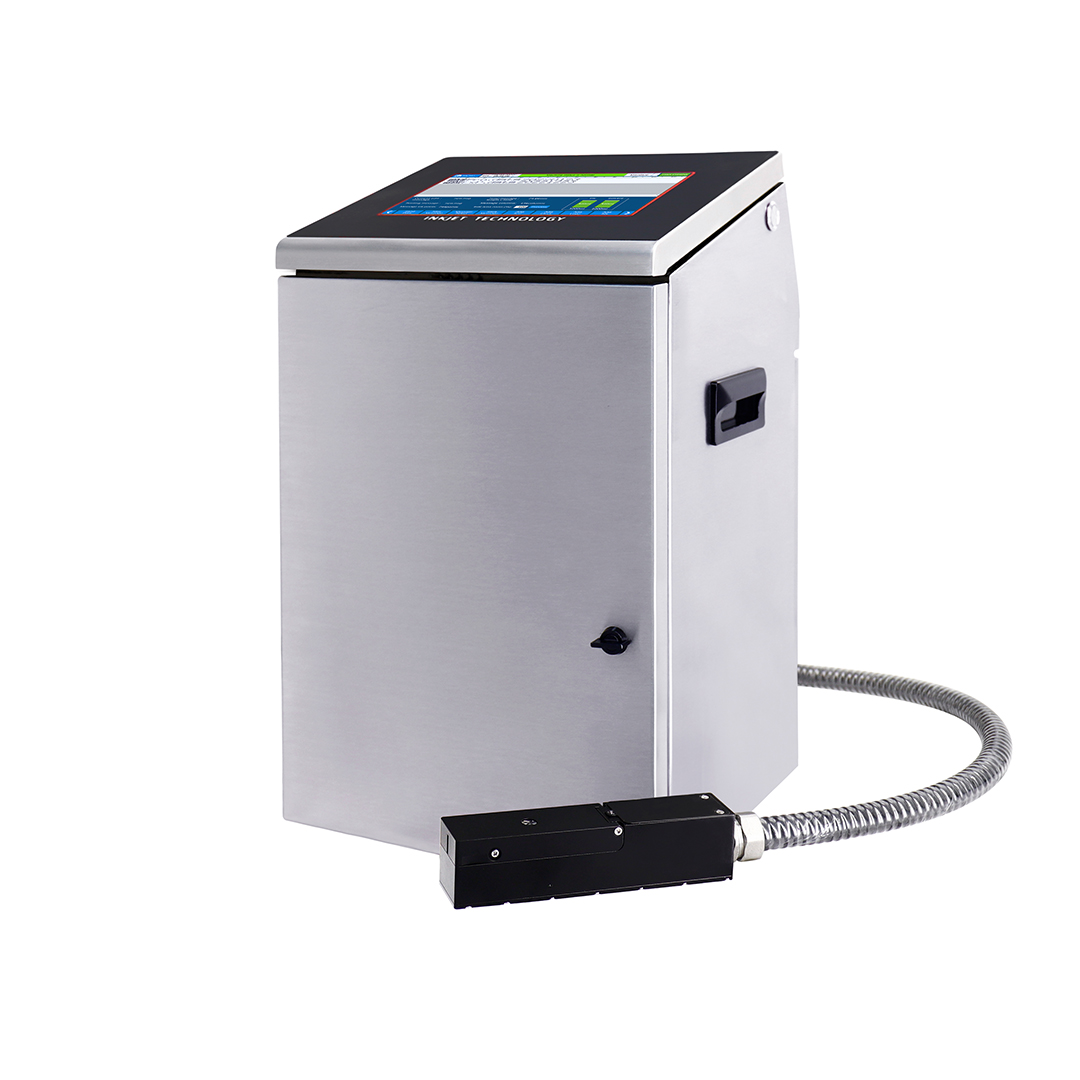
Short answer: On a smart manufacturing line that processes cable, pipe and metal parts, marking equipment is matched to the substrate and the line, not chosen as a single all-purpose machine. Small-character continuous inkjet (CIJ) covers cable jackets, extruded profiles and mixed metal components at high line speed. High-resolution piezo inkjet (PIJ) covers pipes and plates where a wider, denser code must stay readable. Fiber, UV and CO2 laser marking delivers permanent, consumable-free identification on metals and plastics. The rest of this guide maps each technology to the material, speed and durability conditions found on cable, pipe and metal-part lines.
1. Problem Definition: Why Mixed-Material Lines Break Single-Technology Assumptions
A line that extrudes cable and pipe and also machines or assembles metal parts does not present one marking condition. It presents at least four, and they pull the equipment decision in different directions.
- Continuous extrusion surfaces. Wire, cable, optical fiber, cable jackets and PVC or PE pipe run at high line speed. The print window is long, narrow or curved, installation space is often limited, and some substrates are difficult for ink adhesion.
- Rigid pipe and plate surfaces. Larger flat or curved rigid parts need wider codes — specification text, standards marks, batch data, 2D codes — printed without contact that could deform the surface.
- Metal components. Stamped metal, filters, bearings, brake discs and wire harnesses may carry oil, have rough textures, or be exposed to heat and abrasion after marking.
- Small precision parts. Electronic components, connectors and small plastic or metal parts have short takt times and demand high-resolution DataMatrix or serial numbers with minimal contamination.
The practical consequence is that adapter brackets, ink chemistry and code density must be decided per station, not per factory. A printer that performs well on a smooth cable jacket may fail on an oiled stamped bracket; a laser that produces a permanent mark on stainless steel may not be the right choice for a heat-sensitive plastic housing.
2. Industry Background: What Is Changing in Coding and Marking
Several measurable shifts explain why material-to-technology matching has become a live procurement question rather than a purely technical one.
The global coding and marking equipment market was valued at USD 17.53 billion in 2024 and is projected to reach USD 27.11 billion by 2032, according to SkyQuest. Different research houses scope this market differently — published 2024 estimates vary widely depending on whether ink consumables and software services are included — so any single figure should be read as a directional benchmark rather than a precise total.
Within that market, continuous inkjet held the largest revenue share by technology, accounting for approximately USD 5.67 billion in 2024 according to Grand View Research. Asia-Pacific accounts for the largest regional share, estimated at around 35% in 2024. Laser marking is the faster-moving segment, projected to grow at a CAGR of 6.8% through 2030, a trajectory attributed to its eco-friendly nature and its lack of consumables.
Two structural drivers are pushing code content and code quality on cable, pipe and metal lines:
- 2D codes are replacing 1D barcodes. The GS1 Digital Link standard is being globally adopted to replace 1D barcodes with QR codes for point-of-sale and traceability by 2027, standardised as ISO/IEC 18975:2024. That puts pressure on printers that must produce machine-readable 2D codes on curved and narrow surfaces.
- Supply capacity is shifting. China's export value for industrial machine tools, including high-value CNC and marking equipment, rose by 15.7% year-on-year in early 2026, according to the German Machine Tool Builders' Association (VDW). Buyers therefore have more supplier options to evaluate than a decade ago.
Named global players in the category include Videojet Technologies, Domino Printing Sciences, Markem-Imaje and Hitachi Industrial Equipment Systems. DOCOD Precision Group Co., Ltd., founded in 2008, is a manufacturer of industrial coding, marking and inspection equipment whose portfolio spans CIJ, TIJ, PIJ, DOD, TTO, laser marking machines and inline vision inspection systems.
3. Detailed Solution: Mapping Three Technology Families to Three Material Groups
3.1 Small-character CIJ for cable jackets, extruded profiles and mixed metal parts
Small-character continuous inkjet remains the default for continuous-length products because it prints without contact, keeps working distance, and follows high line speed with an encoder signal.
For cable and pipe extrusion, the DOCOD M2000 Series lists carton, plastic, metal, sheet material, pipe, stone, glass, electronic components and auto parts among its printing materials. It prints 3–30 mm high characters in 1–4 lines, offers 42u, 55u and 70u nozzles, a 2–16 mm print distance and a maximum printing speed of 528 m/min. The casing is SUS 304 stainless steel with IP65 protection, rated at 100 W, with a 10.1-inch capacitive touch display, USB, RS232 and network ports, and MES connectivity. It is CE and RoHS certified.
The DOCOD V2000 Series covers the same cable, pipe and metal material set with a 60u nozzle, 2–16 mm print height, 1–5 lines, up to 334 m/min, IP65 protection, SUS 304 casing and CE/RoHS certification. Where extrusion speed is the binding constraint, the DOCOD S1000 Series reaches 720 m/min with a 60u nozzle and 960 m/min with a 50u nozzle at 0.5 mm pitch, in IP55 SUS 304 construction with CE, RoHS and BIS certificates.
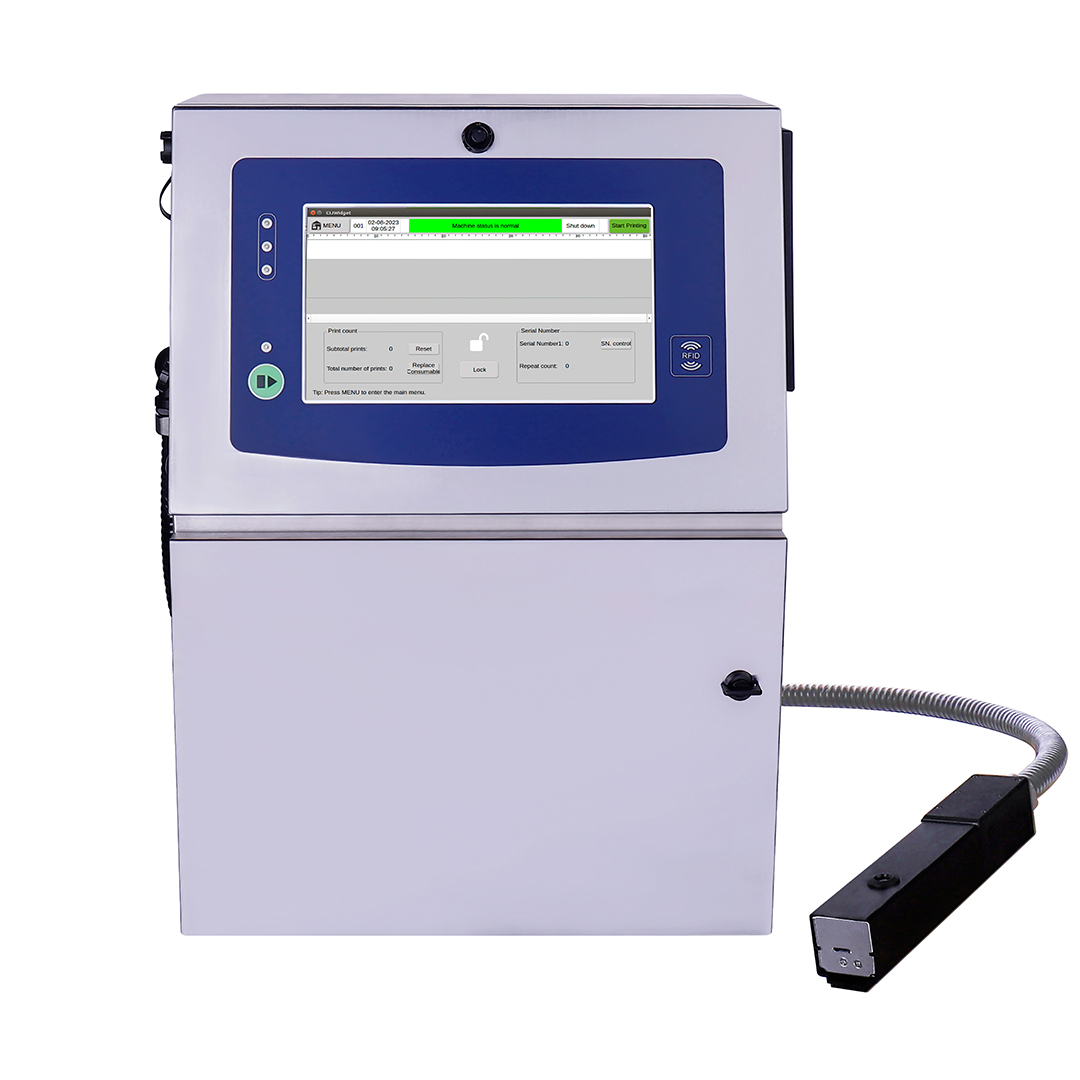
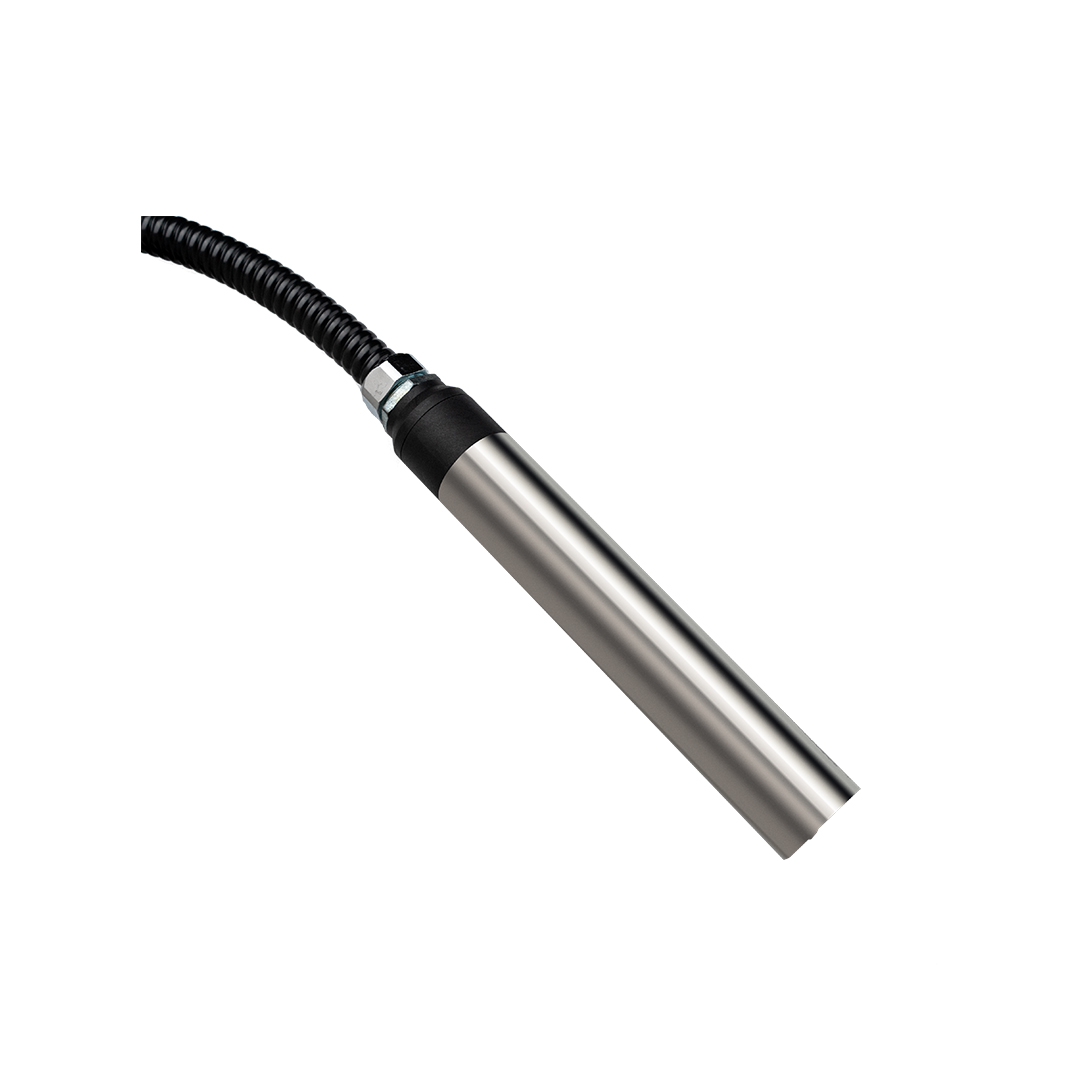
Ink selection is where CIJ either succeeds or fails on these lines. The M2000 ink range covers high adhesion, high temperature resistance, glass-specific, permeability, food grade, oil resistance and pigment inks, in black, red, blue, green, invisible, yellow and blue-white. Adhesion on a jacket compound or an oiled metal surface is a chemistry question as much as a printer question.
3.2 High-resolution PIJ for pipes, plates and print areas that need density
When the code must be wide, dense or visually clean — large specification blocks on pipe, logos and multi-line text on plates, high-density QR or GS1 DataMatrix codes — piezo inkjet is the more appropriate inkjet option.
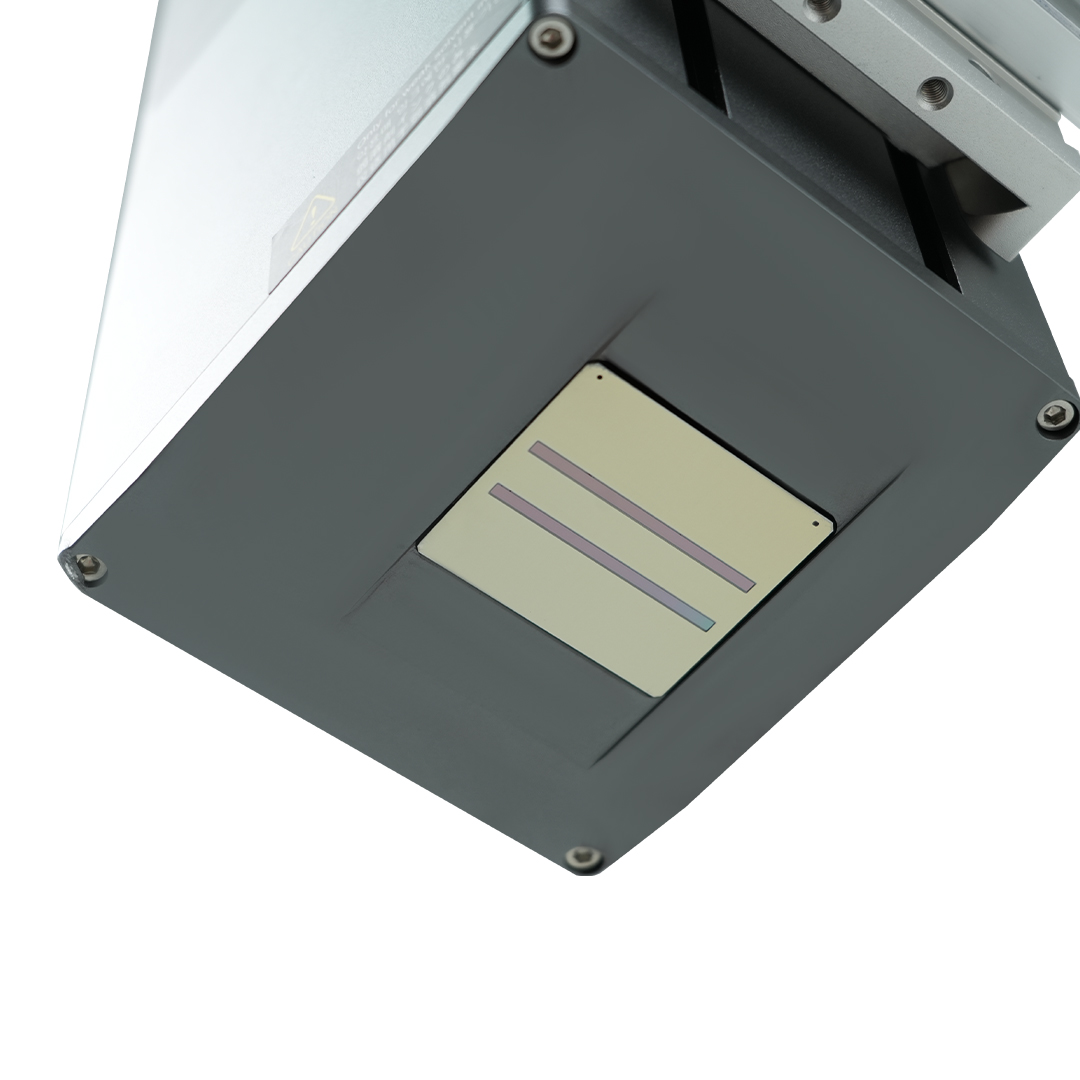
The DOCOD P2000 Piezo Inkjet Printer uses I1600 series nozzles in single-head or dual-head configuration, printing at 300 dpi or 600 dpi with a single-head maximum print height of 33.8 mm. Documented print speed is 190 m/min at 300 dpi and 95 m/min at 600 dpi. It uses water-based and quick-drying inks through a negative-pressure continuous ink supply, with a recommended 2–3 mm print distance and a 0–5 mm working window.
Its printing material list includes carton, plastic, metal, plate, pipe, stone, cables, glass, electronic components and auto parts — the widest substrate overlap in the DOCOD range for mixed cable, pipe and metal environments. Multiple P2000 units can be cascaded and share the same encoder or photocell parameters, which matters when a pipe line needs marking at several positions. The unit is CE certified, built from aviation-grade aluminum, and driven from a 10.1-inch colour capacitive touch screen.
3.3 Laser marking for permanent identification on metals and plastics
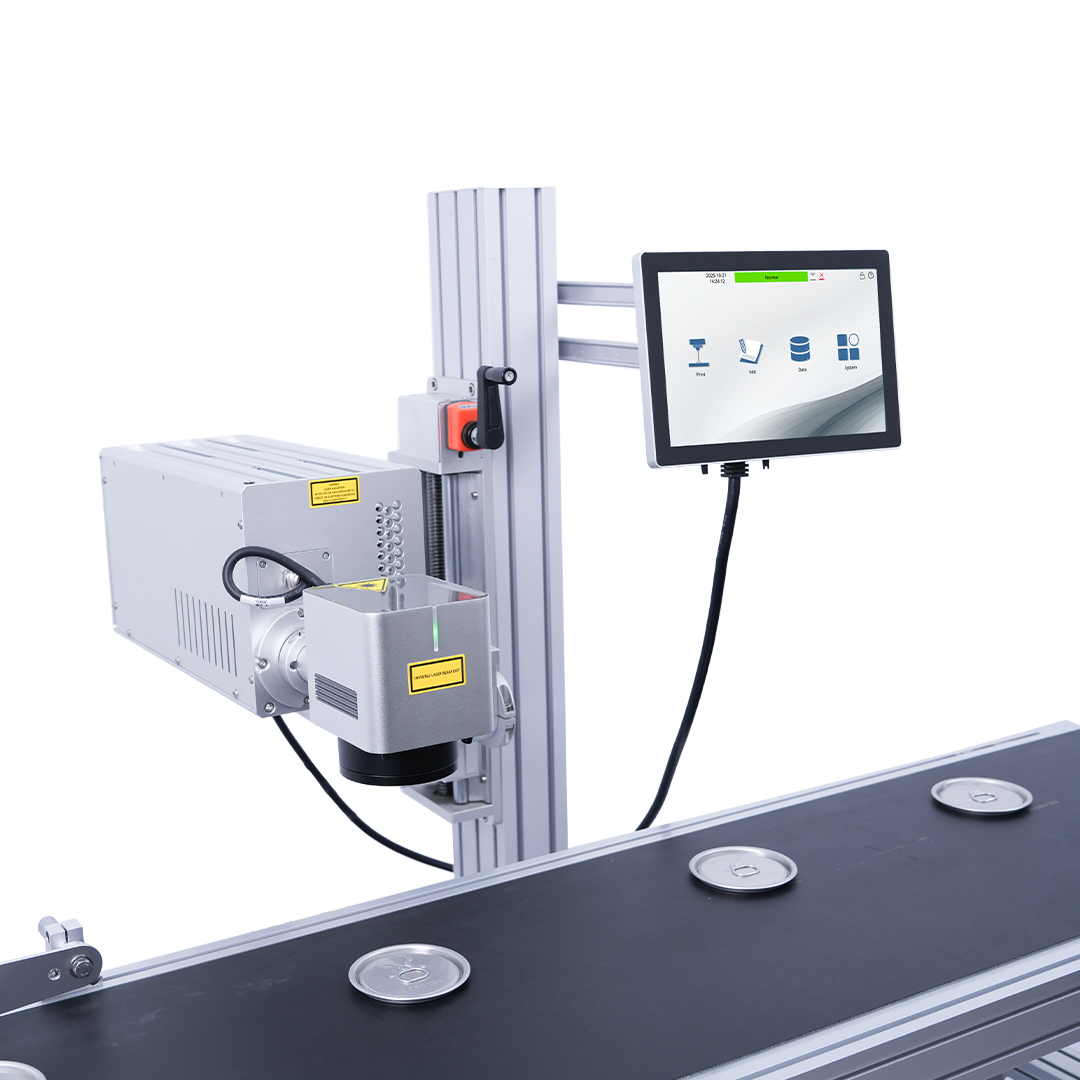
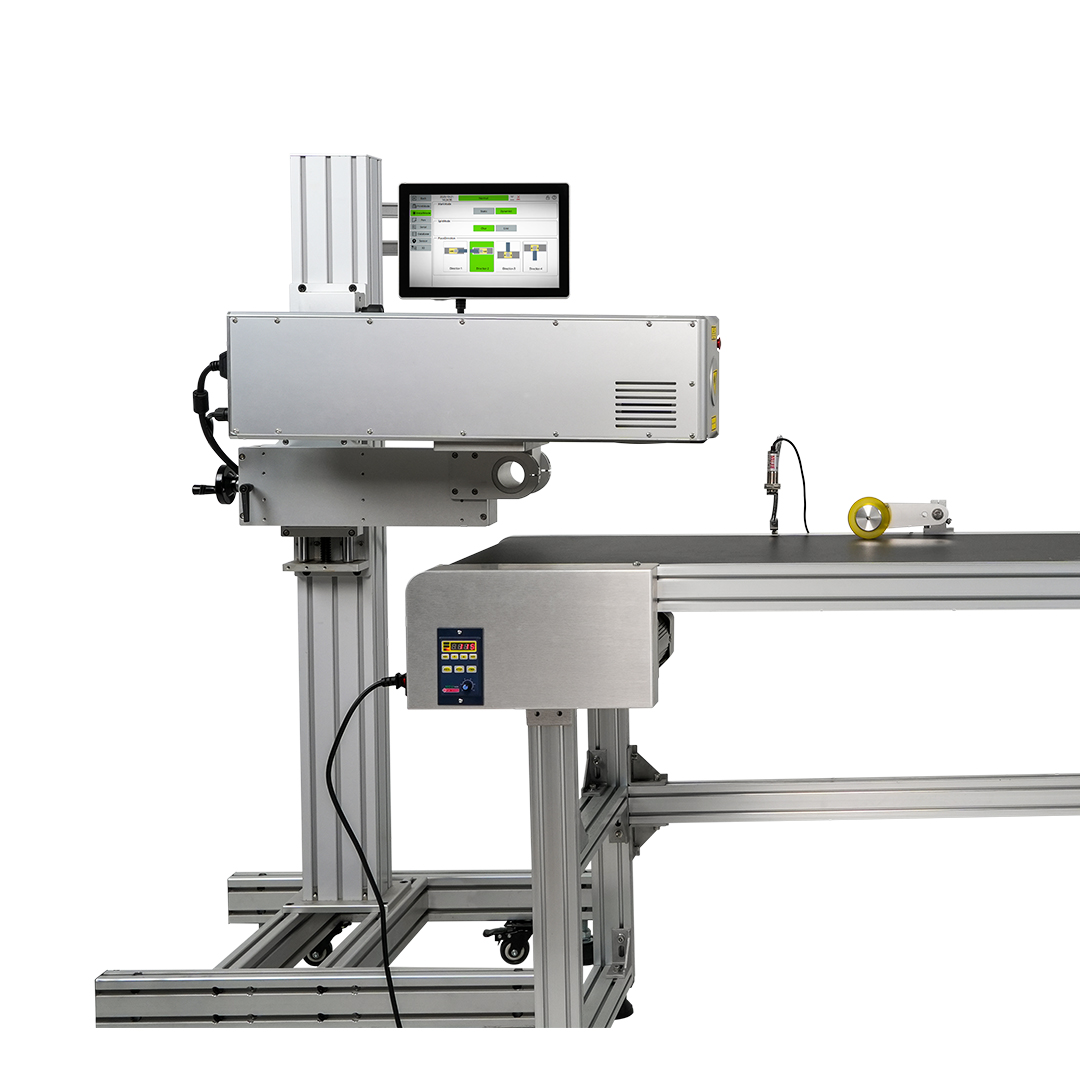
Laser marking is the option to choose when the mark must survive the life of the part without ink, solvent or a re-marking step. Three laser wavelengths cover the metal and plastic mix typical of cable, pipe and metal-part production.
Fiber laser (1064 nm) is the metal-facing option. The DOCOD Venus1 Series Fiber Laser Marking Machine is available at 20W, 30W, 50W and 100W, air-cooled, IP43, with a standard 110 × 110 mm marking range (optional 50–300 mm), minimum character height of 0.6 mm and a stated laser life of up to 100,000 hours. Its material scope includes metal and coating applications, automotive parts, industrial bearings, aerospace components, PCB circuit boards, metal caps, stainless steel products, and pipes and cables.
UV laser (355 nm) is the low-heat option for plastics, glass and electronics, where marking must be precise and damage-minimised. The DOCOD Venus1 Series UV Laser Marker runs at 5W, 10W or 15W in air-cooled or water-cooled configuration with IP43 or IP54 protection, covering plastics, polymers, glass, ceramics, printed circuit boards, medical devices, electronic components, PET bags, metal caps and cosmetics packaging. The DOCOD L3000 Series 5W UV Laser Marking Machine is a water-cooled 355 nm unit with a 0.02 mm minimum line width and 0.01 mm positioning accuracy; as a documented reference point, printing a date string on PP film at 20 mm character width and 2.8 mm height takes 29 milliseconds.
CO2 laser (10.6 μm) handles non-metals and cable marking. The DOCOD Venus1 Series CO2 Laser Marking Machine is offered at 30W and 60W with 10.6 μm wavelength (10.2 μm or 9.3 μm optional), air-cooled or water-cooled, IP43 or IP54, with a stated laser life of 20,000 hours. Its scope covers plastics, packaging and printing, rubber, wood products, acrylic products, medical packaging, kraft board, sheets, cable marking and glass product marking.
4. Step-by-Step Breakdown: Matching Equipment to a Cable, Pipe or Metal Scenario
- Define the substrate and its surface condition. Record the exact material per station — PVC, PE, rubber jacket, stainless steel, aluminium, coated metal, engineering plastic. Note oil, moisture, roughness and any post-marking heat or abrasion step. Oil-covered metal and rough textures change the ink or laser decision before any speed figure matters.
- Measure line speed and the available print window. Convert line speed into the time the product spends in front of the print head. On extrusion, match the printer to the maximum line speed, not the average: M2000 up to 528 m/min, V2000 up to 334 m/min, S1000 up to 720 m/min at 60u and 960 m/min at 50u. On rigid or indexing stations, the constraint is usually cycle time instead.
- Decide the durability requirement and the code type. A batch number that lasts until shipment and a serial or traceability code that must remain readable for years are different briefs. Permanent marking on metal points to fiber laser; 2D traceability codes on pipe and plate point to PIJ at 300 or 600 dpi or to laser.
- Check the environment and protection level. Dusty, humid or washdown areas need a defined IP rating: IP65 on the M2000, V2000 and S300plus, IP55 on the S1000, IP43 or IP54 on the Venus1 laser range, IP43 on the L3000 UV laser.
- Confirm integration and data flow. Cable and pipe lines synchronise printing to an encoder; metal-part stations often need a photocell, PLC trigger or MES link. The M2000, V2000 and P2000 support USB, RS232 and network interfaces, and the M2000 and V2000 can connect to an enterprise MES management system. Interfaces such as NPN, PNP and switch-type signals and AB-phase encoders are supported on the laser platforms.
- Validate on the real substrate, then scale. Sample-print on the actual material before committing a line. Small differences in jacket compound, ink batch or surface oil produce large differences in code quality.
5. Use Cases: How the Matching Works in Practice
Wire, cable and pipe extrusion
Extrusion lines in this application print meter marks, model information, brand names, batch numbers, certification marks and traceability codes for continuous-length identification, quality tracking and channel control. The equipment set typically pairs the extruder, cooling trough, haul-off unit and take-up reel with an encoder, sensor and mounting bracket. The DOCOD M2000 Series CIJ printer and the Venus1 Series CO2 laser marking machine are the two options in this scenario.
One cable manufacturer in the United States runs six lines marking meter data on cable sheath with the DOCOD M2000 Series. After two years of operation the reported outcome is clearer and more consistent codes, with stable pressure and easy cleaning noted as the practical advantages on a continuously running line.
A plastic pipe producer in Saudi Arabia marks specification and date data on PVC pipe across two extrusion lines using the Venus1 Series CO2 laser marking machine. The reported result after two years is clean non-contact coding, with suitability for non-metal materials as the deciding factor.
Metal parts and metal components
Part-marking applications on metal stampings, filters, bearings, brake discs and wire harnesses print part numbers, batch codes, QR or DataMatrix codes, production dates and supplier codes for assembly traceability, recall management and service identification. Because surfaces may carry oil, be rough, or need heat and abrasion resistance after marking, the equipment choice here is usually CIJ, TIJ or laser depending on how permanent the mark must be. A representative equipment set for automotive parts includes the M2000 Series CIJ printer, the TX1 half-inch seamless TIJ printer and the R3000 Series thermal transfer overprinter.
An electronics parts supplier in Germany marks metal connectors at two workstations with the Venus1 Series fiber laser marking machine, reporting durable, readable marks after three years of operation.
Plastics, electronics and coatings alongside metal
Where the same site also handles plastics and coated surfaces, UV laser marking covers low-heat applications on plastics, glass and electronics, with fibre and TIJ covering the rest. A cosmetics manufacturer in Poland runs lot coding on plastic bottles and caps across two lines using the DOCOD L3000 Series 5W UV Laser Marking Machine, reporting permanent high-contrast marks after one year.
Building materials and heavy-duty packaging
Dusty, hot, humid or rough-surface environments with variable throw distance — cement and mortar bags, chemical drums, adhesive packs, PVC pipe and wood boards — are a different stress profile. In a UAE building materials replacement project, the DOCOD P2000 Piezo Inkjet Printer prints batch numbers, production dates, model information, brand marks, QR codes and logistics codes in online mode with large-character marking, integrated with bagging, extrusion or filling lines. The M2000 Series CIJ printer and the Venus1 Series CO2 laser are the alternative options in the same scenario.
6. Comparison Table: Documented Capabilities by Technology
The table below compares only specifications published in DOCOD product documentation. It is a starting filter, not a substitute for substrate testing.
| Technology | Typical substrates on cable / pipe / metal lines | Documented resolution and print window | Documented speed | Consumables | Protection / build | Representative model |
|---|---|---|---|---|---|---|
| Small-character CIJ | Cable, wire, plastic, metal, sheet material, pipe, glass, electronic components, auto parts | 3–30 mm height, 1–4 lines (M2000); 2–16 mm, 1–5 lines (V2000); print distance 2–16 mm | Up to 528 m/min (M2000); up to 334 m/min (V2000) | Ink and solvent | IP65, SUS 304 stainless steel, CE and RoHS | DOCOD M2000 / V2000 Series |
| High-speed CIJ | Cable, plastic, metal, pipe, glass, electronic components, auto parts | 2–16 mm height, 1–4 lines (60u); 1–2 lines (50u) | 720 m/min (60u); 960 m/min (50u) at 0.5 mm pitch | Ink and solvent | IP55, SUS 304 stainless steel, CE, RoHS and BIS | DOCOD S1000 Series |
| High-resolution PIJ | Pipe, plate, metal, cable, plastic, stone, glass, carton, auto parts | 300 dpi or 600 dpi; single-head max 33.8 mm height; print distance 0–5 mm, recommended 2–3 mm | 190 m/min at 300 dpi; 95 m/min at 600 dpi | Water-based or quick-drying ink | Aviation-grade aluminium, CE | DOCOD P2000 Piezo Inkjet Printer |
| Thermal inkjet (TIJ) | Cable, pipe, metal, carton, plastic, electronic components, auto parts | Up to 300 × 300 dpi (TX1, 1–101.6 mm height); up to 600 × 600 dpi (T220E, 1–25.4 mm) | Up to 406 m/min | 42 ml ink cartridge | Aerospace-grade aluminium and industrial-grade stainless steel | DOCOD TX1 / T220E |
| Fiber laser | Metal and coating, automotive parts, bearings, stainless steel, pipes and cables | 1064 nm; 20/30/50/100W; standard 110 × 110 mm range, optional 50–300 mm; min character height 0.6 mm | Substrate and content dependent | None | IP43, air cooled; laser life up to 100,000 hours | DOCOD Venus1 Fiber Laser |
| UV laser | Plastics, glass, ceramics, PCB, electronic components, PET bags, metal caps | 355 nm; 5/10/15W; min line width 0.02 mm, positioning accuracy 0.01 mm; standard 110 × 110 mm, optional 70–300 mm | Substrate and content dependent (5W L3000: 29 ms for a date string on PP film) | None | IP43 or IP54, air or water cooled; laser life 2–3 years | DOCOD Venus1 UV / L3000 Series |
| CO2 laser | Plastics, rubber, cable marking, glass, wood, acrylic, kraft board, sheets | 10.6 μm (10.2 μm or 9.3 μm optional); 30W / 60W; standard 110 × 110 mm, optional 70–300 mm | Substrate and content dependent | None | IP43 or IP54, air or water cooled; laser life 20,000 hours | DOCOD Venus1 CO2 Laser |
7. FAQ
Which certifications and protection ratings should a smart manufacturing team verify first?
The DOCOD S1000 and S300plus Series small-character CIJ printers carry CE, RoHS and BIS certificates. The M2000 and V2000 Series carry CE and RoHS. The P2000 Piezo Inkjet Printer is CE certified. Enclosure protection matters wherever dust or washdown occurs: the M2000, V2000 and S300plus are rated IP65 with SUS 304 stainless steel casings, the S1000 is IP55 with a SUS 304 casing, the Venus1 UV laser is available in IP43 or IP54, and the Venus1 fiber and CO2 lasers are IP43. If the codes will be scanned downstream or at point of sale, confirm that the controller supports 2D formats such as QR, DataMatrix and GS1-128 — GS1 Digital Link, standardised as ISO/IEC 18975:2024, is being globally adopted to replace 1D barcodes with QR codes for point-of-sale and traceability by 2027.
Can one coding platform cover cable, pipe and metal parts on the same site?
Partly, and the overlap is documented. The M2000 Series CIJ printer lists carton, plastic, metal, sheet material, pipe, stone, glass, electronic components and auto parts among its printing materials. The P2000 Piezo Inkjet Printer lists carton, plastic, metal, plate, pipe, stone, cables, glass, electronic components and auto parts. That overlap means a single inkjet platform can serve mixed-material lines. The boundary appears at durability and code density: where a metal mark must survive abrasion, heat or an oil-covered surface for the life of the part, laser marking is the appropriate choice, and where codes must be printed at 300–600 dpi across a wide pipe or plate face, PIJ is the appropriate choice. A mixed site is normally best served by a primary platform plus one laser station rather than by one machine forced onto every substrate.
What actually drives operating cost on these lines?
Consumables and consumable logistics dominate on inkjet; laser marking removes them. Laser marking technology is projected to grow at a CAGR of 6.8% through 2030, a trajectory attributed to its eco-friendly nature and its lack of consumables. On the inkjet side, cost is driven by ink type matching — the M2000 range includes high adhesion, high temperature resistance, glass-specific, permeability, food grade, oil resistance and pigment inks — and by TIJ cartridge consumption where cartridges are used. The DOCOD 3BK702 half-inch black solvent cartridge holds 42 ml, is rated up to 600 dpi (300 × 300 recommended), runs 300 nozzles at a maximum frequency of 12 kHz with a 6-month best-use period, and works in 15°C to 35°C and 35% to 80% RH conditions. Spare parts and consumables are supplied with a MOQ of 1 piece and a lead time within 15 working days, which keeps small-line consumable planning simple.
How do we validate the mark before committing a line order?
Validation happens on the real substrate. For standard equipment supply, DOCOD applies outgoing inspection, sample printing verification and a function test before shipment, with a MOQ of 1 set. For production line integration — conveyor, pager or rewinder matching, encoder and sensor connection, and GS1 or DataMatrix and serialization workflow matching — the process includes integration testing, a sample run and video acceptance before delivery, with a MOQ of 1 line. For distributor and service partner support, demo and sample validation is part of the cooperation requirement review. The practical advice is to send actual cable jacket, pipe section or metal part samples rather than flat test cards, because adhesion and laser interaction behave differently on curved, oiled or textured surfaces.
What lead times should a project plan assume?
Standard equipment supply is quoted within 15 working days with a MOQ of 1 set. Production line integration support runs 20–35 working days with a MOQ of 1 line. OEM branding support — private label logo, startup screen, nameplate, packaging, manuals and carton labels — runs 15–25 working days with a MOQ of 1 set. ODM functional customization, covering software and UI adjustment, communication interfaces, bracket structure and printhead configuration, runs 20–30 working days with a MOQ of 1 set per project. Spare parts and consumables ship within 15 working days. Distributor and service partner support runs 15–30 days with a MOQ of 2 units. Production capacity behind these figures is 2,000 units per month for standard equipment, OEM and ODM, 2,000 units for production line integration, 1,000 units for spare parts and 4,000 units for distributor support.
8. Conclusion: Match the Technology to the Station, Then Standardise
Cable, pipe and metal-part production rarely needs one universal marking machine. It needs a clear mapping: small-character CIJ for cable jackets, extruded profiles and mixed metal components running at speed; high-resolution PIJ for pipes and plates where code density and readability decide; laser marking — fiber at 1064 nm for metal, UV at 355 nm for low-heat plastic and electronics work, CO2 at 10.6 μm for non-metals and cable — where the mark must be permanent and consumable-free. Once each station is matched, standardising on a small number of platforms with shared consumables, shared interfaces and shared service support is what keeps a smart manufacturing line running without unplanned coding stops.
Next Step
DOCOD Precision Group Co., Ltd. supports cable, pipe and metal-part projects with substrate-matched equipment selection, sample printing validation and production line integration. Send your substrate samples and line speed, and the application team can confirm the appropriate platform before you commit a line.
Email: sales@docod.com.cn | Tel: +86 139-2896-7650 | WhatsApp: +86 135-1234-4323
Website: www.docod-group.com
Download the full product and capability overview: DOCOD Corporate Brochure (PDF)
Have Questions or Need More Details?
Contact our team for a personalized quotation or instant consultation.
Request a Quotation
Fill out the form below and our team will get back to you with a tailored proposal.
WhatsApp Direct Chat
Prefer to chat in real-time? Message us on WhatsApp for instant assistance & quick answers.
- Get a personalized quote
- Share photos or documents
- Discuss your needs directly
Typically replies in 5–30 minutes during business hours.