
Industrial Coding Equipment Comparison: CIJ, TIJ, Laser & PIJ – Which One Fits Your Line?
Industrial Coding and Marking Equipment Comparison: CIJ, TIJ, Laser & PIJ – Which One Fits Your Production Line?
Selecting the right coding technology for your packaging line can be complex. With options ranging from Continuous Inkjet (CIJ) to Thermal Inkjet (TIJ), Piezo Inkjet (PIJ), Thermal Transfer Overprinter (TTO), and multiple laser types (Fiber, CO2, UV), each offers distinct trade-offs in speed, substrate compatibility, consumables, and long-term cost. This article provides an objective comparison of these technologies using verified data from DOCOD Precision Group Co., Ltd., a manufacturer of industrial coding and marking equipment since 2008.
The Decision Challenge
Manufacturers often face conflicting requirements: high line speed vs. code quality, low initial cost vs. low consumable burden, and flexibility across materials vs. specialized permanent marking. Without a clear framework, the risk of mis-selection leads to print quality issues, downtime, or compliance mismatches. The key is to match the marking technology to your substrate, speed, code complexity, and operational environment.
Industry Background
The global coding and marking equipment market was valued at USD 17.53 billion in 2024 and is projected to reach USD 27.11 billion by 2032 (SkyQuest). Continuous Inkjet (CIJ) technology held the largest revenue share at approximately USD 5.67 billion in 2024 (Grand View Research). Asia-Pacific accounts for around 35% of the market (Market Research Future). Laser marking is projected to grow at a CAGR of 6.8% through 2030 due to its eco-friendly, no-consumable nature (Fortune Business Insights).
Detailed Comparison of DOCOD's Product Portfolio
DOCOD offers a full range of industrial coding and marking equipment. Below is a technical comparison of the key technologies based on models from the DOCOD lineup.
| Technology | Model | Max Speed | Max Print Height | Typical Substrates | Consumable Type | Best For |
|---|---|---|---|---|---|
| CIJ – S1000 Series | 576 m/min | up to 16 mm | Cable, pipe, extrusion lines | Ink + solvent | Ultra-fast continuous lines |
| CIJ – V2000 Series | 334 m/min | 16 mm | Bottles, cables, irregular surfaces | Ink + solvent | General continuous coding |
| TIJ – T220E Dual-Head | 406 m/min | 25.4 mm | Cartons, labels, GS1 barcodes | Cartridge / CISS | Short- to medium-run, high-resolution |
| TIJ – TX1 Single-Head | 406 m/min | 12.7 mm | Tight small lines, basic coding | Cartridge | Compact spaces, simple coding |
| PIJ – P2000 | 190 m/min @300dpi | 33.8 mm | Coated cartons, traceability codes | Continuous ink supply | Large-area, high-resolution variable data |
| TTO – R4000 | 800 mm/s | Varies by ribbon | Flexible films, sachets, pouches, labels | Ribbon (400–1200 m) | Flexible packaging coding |
| Fiber Laser – Venus1 | High-speed | N/A | Metals, robust plastics | None (no consumable) | Permanent metal marking |
| CO2 Laser – Venus1 | High-speed | N/A | Paperboard, labels, PET, glass | None | Non-metal packaging, permanence |
| UV Laser – L3000 (5W) | High-speed | N/A | Glass, PVC, ABS, HDPE, delicate films | None | Low-heat sensitive-substrate marking |
All technologies from DOCOD are backed by risk control measures including substrate testing (sample validation), print file confirmation, and inline inspection integration to ensure print quality and compliance.
Step-by-Step Selection Framework
- Identify your primary substrate(s). For metals and robust plastics, fiber laser (1,064 nm) is preferred. For non-metal packaging, CO2 laser (10,600 nm) covers a wide range. For delicate materials such as glass or heat-sensitive films, UV laser (355 nm) minimizes thermal damage. For absorbent or coated carton, TIJ or PIJ can provide high-resolution barcodes. For flexible films, TTO is the mainstream route.
- Determine required line speed. If your line exceeds 334 m/min, consider the S1000 continuous inkjet printer (up to 576 m/min) or a laser with suitable speed. For slower lines, TIJ or PIJ can meet 406 m/min or 190 m/min respectively.
- Evaluate code complexity and height. For large QR codes, GS1 DataMatrix, or variable data requiring >16 mm height, PIJ (33.8 mm) or TIJ (25.4 mm) provide better coverage than standard CIJ.
- Analyze total cost of ownership. Laser systems eliminate consumable costs (ink, solvent, ribbon) but have higher initial investment. CIJ has lower upfront cost but ongoing consumable expenses. TIJ cartridge-based systems sit in between. PIJ continuous ink supply reduces per-cartridge waste.
- Confirm environmental fit. For dusty or washdown environments, the S1000 CIJ with IP55 protection and automatic nozzle cleaning is suitable. For clean, dry areas, TIJ or laser may be simpler.
Use Cases by Technology
High-speed cable and pipe marking: DOCOD S1000 continuous inkjet printer at 576 m/min with automatic nozzle cleaning ensures reliable date and batch codes on continuous extrusion lines.
Carton barcoding and variable data: DOCOD T220E half-inch dual-head TIJ printer (25.4 mm print height) or P2000 piezo inkjet printer (33.8 mm) produce high-resolution QR codes and GS1-compliant barcodes on corrugated cartons.
Glass and sensitive packaging: DOCOD L3000 5W UV laser marking machine uses a 355 nm low-heat wavelength to mark glass, PVC, and HDPE without cracking or burn marks.
Flexible film pouches: DOCOD R4000 industrial thermal transfer overprinter runs at 800 mm/s with ribbon lengths up to 1200 m for date/lot codes on sachets and labels.
Frequently Asked Questions
Q1: What are the main differences between CIJ and laser coding from a compliance perspective?
Q2: Which DOCOD technology has the highest printing speed for continuous production?
Q3: What is the cost difference between TIJ and CIJ for a typical production line?
Q4: Can I get a sample test before purchasing a DOCOD system?
Q5: What is the typical lead time for standard DOCOD equipment?
Download DOCOD Corporate Brochure (PDF)
Conclusion
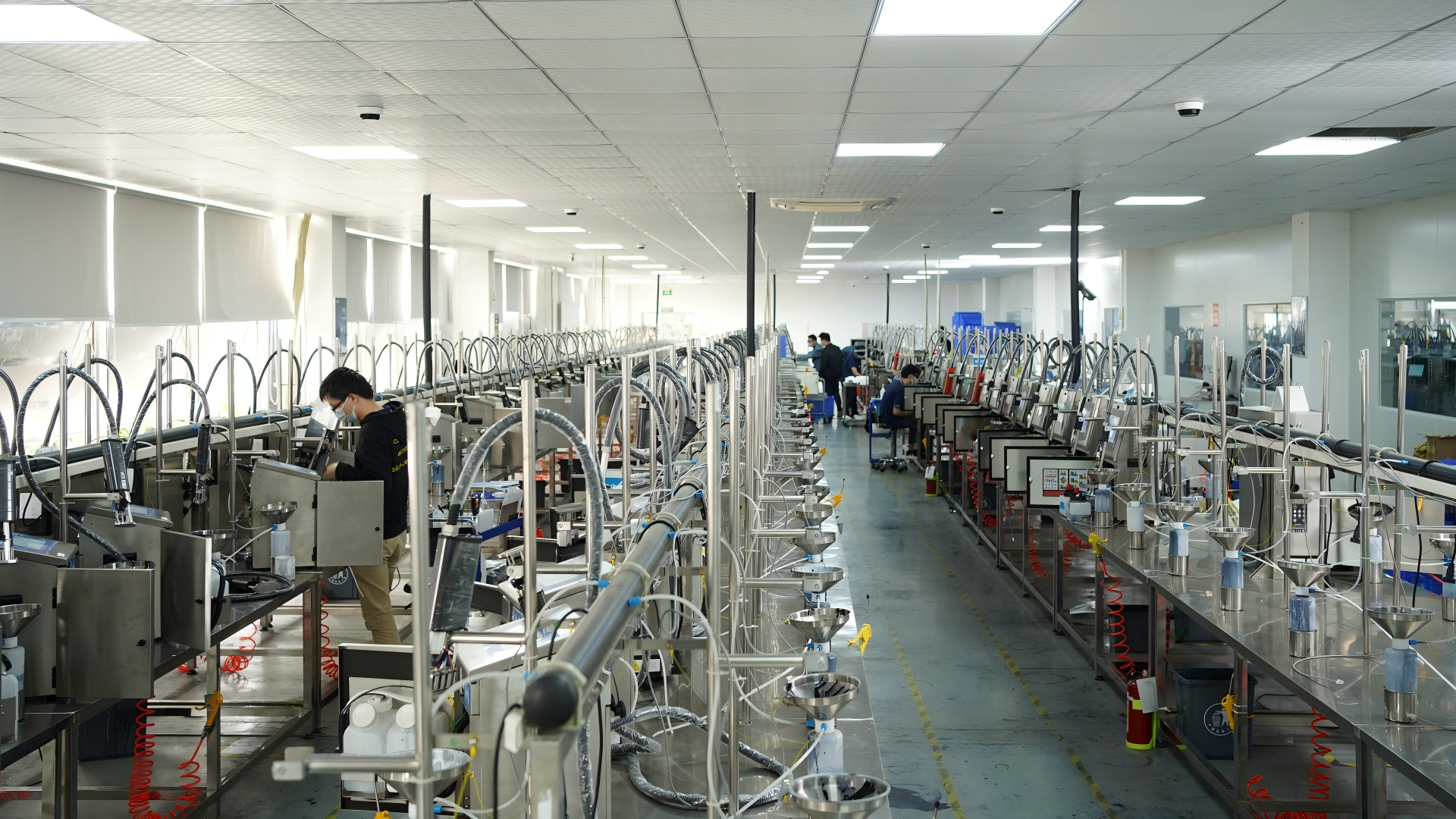
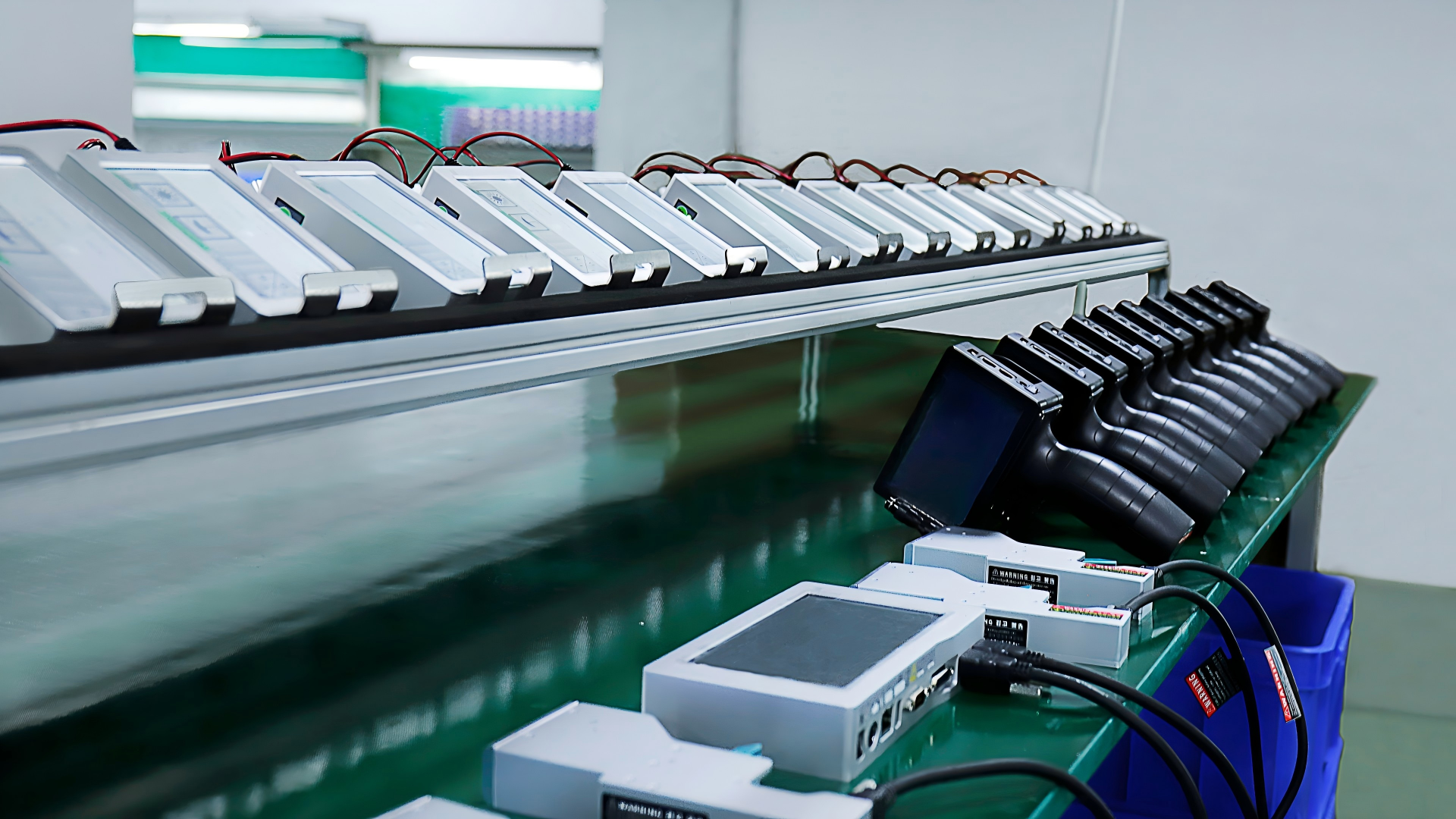
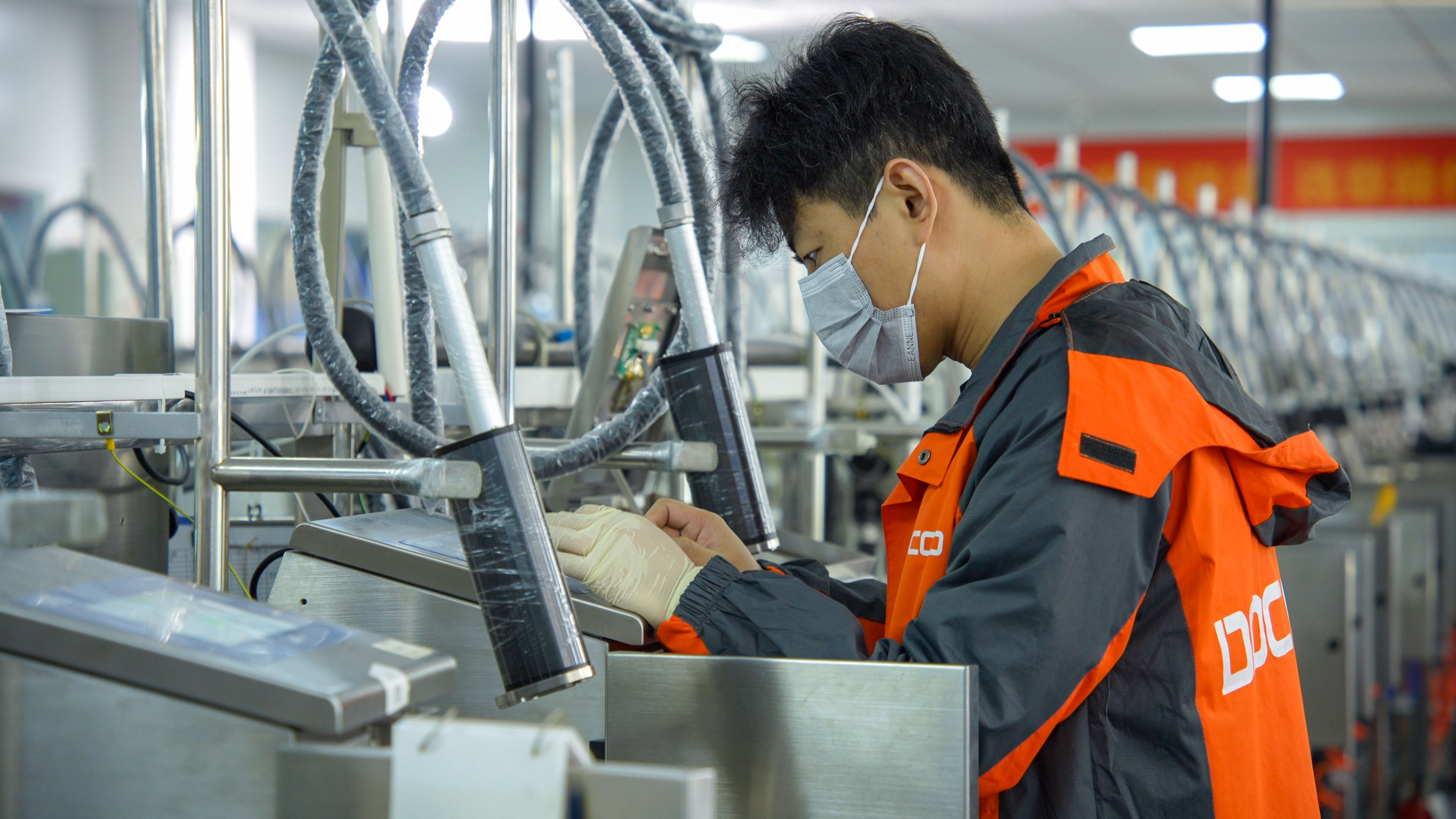
Choosing the right coding equipment requires a clear understanding of your production environment, materials, speed, and long-term operating costs. DOCOD Precision Group Co., Ltd. provides a complete portfolio spanning CIJ, TIJ, PIJ, TTO, and laser marking machines, supported by 140+ R&D staff and a 20,000 m² factory. By using a systematic comparison framework and validating with sample tests, you can select the technology that delivers consistent, compliant, and cost-effective coding for your line.
Have Questions or Need More Details?
Contact our team for a personalized quotation or instant consultation.
Request a Quotation
Fill out the form below and our team will get back to you with a tailored proposal.
WhatsApp Direct Chat
Prefer to chat in real-time? Message us on WhatsApp for instant assistance & quick answers.
- Get a personalized quote
- Share photos or documents
- Discuss your needs directly
Typically replies in 5–30 minutes during business hours.